
Challenging moral contradictions and refusing the status quo
Human beings are naturally a very complex species. As individuals we are each unique ; our identities are shaped by intricate weavings of the different social, cultural, political and economic landscapes in which we live. Part of our identity is shaped by our beliefs and opinions about the world around us; we form schemas. Therefore, dog = pet (in most cases), pig = food. We are taught from a young age that eating certain animals is the status quo, because these animals have been categorised as food so it’s okay.
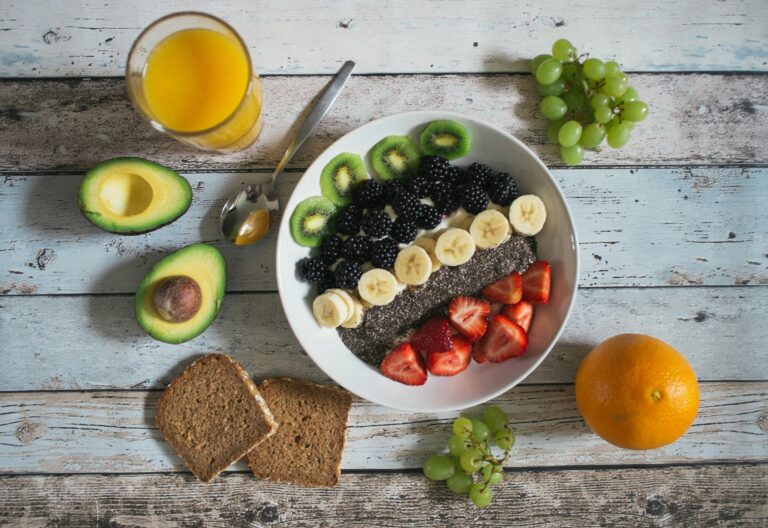
It takes a certain form of enlightenment to realise this makes no logical sense; it’s a moral contradiction. Well, you can challenge the status quo and fight these moral contradictions. It makes no sense to love one animal, and eat the other. And at the end of the day, eating animals is simply unnecessary. If you have to argue to appeal to logic, then it surely must be that: it’s unnecessary. You cannot reasonably justify the consumption of animal flesh when you can perfectly obtain the nutrients required from a wholesome, plant-based diet. It’s important to note that when I use the term plant-based, I’m referring to the diet, not veganism as a philosophy – because we know veganism is much more than that.
Be an environmental warrior
We know that realistically, we cannot keep feeding the world’s growing population the way we are going. The earth’s resources are not infinite. Our current agricultural systems are simply not sustainable.As David Attenborough said: “The planet can’t support billions of large meat eaters, there just isn’t the space.” Is it imperative that we move towards sustainable plant-based farming alternatives. it makes no sense to grow crops to feed directly to animals who we then eat (Vegan Australia); we can bypass all those unnecessary channels by eating the plants directly.
A few stats taken from Vegan Australia:
- Over a twenty year timeframe, 50% of Australia’s greenhouse gas emissions & over 50% of worldwide emissions can be attributed to animal agriculture
- The world’s cattle consume enough food to feed 8.7 billion people, more than the entire human population
- Animal agriculture is the leading cause of global species loss
- 67% of water in Australia is used for agriculture whereas only a mere 9% is used for household use
- It takes 20 times more water to produce a kilo of beef (between 50,000 to 100,000 litres) than it does rice (about 2,500 litres)
- Water use from food consumption makes up 90% of the average Australian’s water use. Vegans use less than a third of the water of the average Australian.
- According to the CSIRO and University of Queensland, 92% of all land degradation in Australia is caused by animal agriculture
- A vegan diet uses substantially less energy than a diet based on animal products and therefore contributes much less to air pollution, acidification, oil spills, habitat destruction and global warming
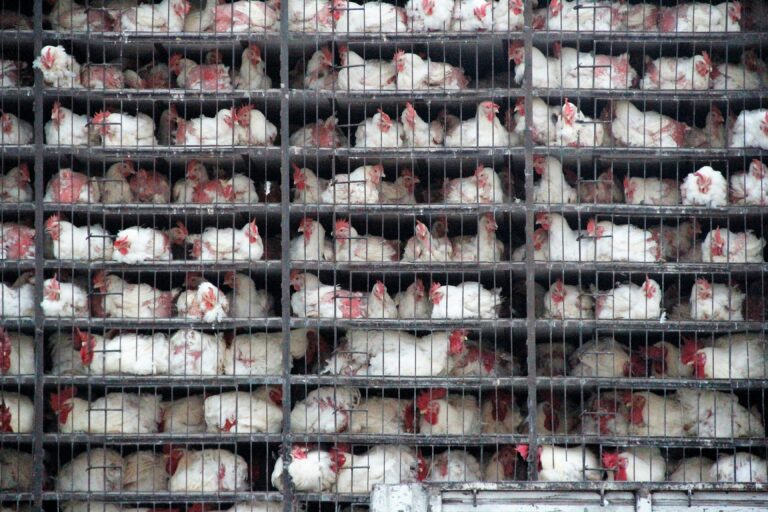
In 2026, it is very frustrating to hear that the consumption of meat products has actually increased. An estimate by EcoWatch puts that number at 92.2 billion animals killed for food every year. That is the highest number ever recorded. In a growing hunger crisis, it boggles the mind. According to a 2025 UN report, global hunger has risen for the 6th year in a row, indicative of a world “dangerously off course” – UN Secretary-General António Guterres.